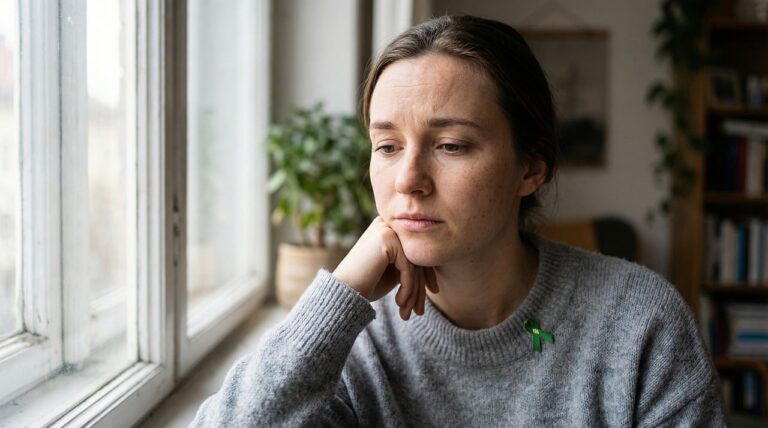
Generalised Anxiety Disorder Symptoms UK
Understanding Generalised Anxiety Disorder (GAD) in the UK: A Partner’s Perspective
Seeing your partner struggle with anxiety can be incredibly difficult. You witness firsthand the worry, the tension, and the impact it has on their daily life. Generalised Anxiety Disorder (GAD) is a common condition in the UK, affecting many individuals and their relationships. This article aims to provide you with a better understanding of GAD symptoms, specifically within the UK context, so you can offer more informed support and navigate this journey together.
What Exactly is Generalised Anxiety Disorder?
GAD isn’t just feeling stressed or worried now and then. It’s a persistent and excessive worry that’s difficult to control. It’s more intense than the anxiety most people experience in everyday life. The NHS defines GAD as a condition where you worry about a variety of things more days than not, for at least six months. These worries are often disproportionate to the actual situation and can significantly interfere with daily functioning. Think of it as an always-on alarm system that’s constantly triggered, even when there’s no real threat.
Key Symptoms of GAD to Watch Out For
Recognising the symptoms of GAD is the first step in understanding what your partner is going through. These symptoms can manifest differently from person to person, but some common signs include:
- Excessive Worry and Apprehension: This is the hallmark of GAD. Your partner might constantly worry about various things, big or small, from finances and work to health and family. They may struggle to stop these thoughts, even when they know they’re being irrational. Think of them frequently saying things like, “What if…?” or “I’m worried about…”
- Restlessness and Feeling Edgy: GAD can cause a persistent feeling of being on edge or unable to relax. Your partner might fidget, pace, or have difficulty sitting still. They might describe it as feeling “keyed up” or “wired.”
- Muscle Tension: This is a common physical symptom of anxiety. Your partner might experience muscle aches, stiffness, particularly in their neck, shoulders, and back. They might unconsciously clench their jaw or grind their teeth, especially at night. Consider suggesting gentle stretching or relaxation exercises to alleviate muscle tension.
- Fatigue and Tiredness: The constant worry and tension associated with GAD can be exhausting. Your partner might feel drained and tired, even after getting enough sleep. They may struggle to concentrate or focus on tasks.
- Difficulty Concentrating: Anxiety can make it hard to focus and concentrate. Your partner might find it difficult to pay attention at work, read a book, or follow a conversation. Their mind might feel blank or jump from one thought to another.
- Irritability: Anxiety can make people more irritable and short-tempered. Your partner might be easily frustrated, snap at you or others, or have difficulty controlling their emotions. Try to remember that this irritability is often a symptom of their anxiety, not a reflection of their feelings towards you.
- Sleep Disturbances: GAD can interfere with sleep in various ways. Your partner might have difficulty falling asleep, staying asleep, or experience restless sleep. They might wake up feeling tired and unrefreshed. Sleepless nights can then exacerbate their anxiety, creating a vicious cycle.
- Physical Symptoms: GAD can also manifest in physical symptoms such as headaches, stomach aches, nausea, diarrhoea, or frequent urination. These symptoms can be distressing and further contribute to anxiety.
GAD Symptoms Specific to the UK Context
While the core symptoms of GAD are universal, some factors in the UK can contribute to or exacerbate the condition. These include:
- Cost of Living Pressures: The rising cost of living in the UK, including housing, energy bills, and food prices, can be a significant source of anxiety for many people. Your partner might worry about their finances, debt, and ability to make ends meet.
- NHS Waiting Lists: The NHS is a vital resource, but long waiting lists for mental health services can create frustration and anxiety. The wait itself can add to the feeling of helplessness and make it harder for your partner to access timely support.
- Seasonal Affective Disorder (SAD): The long, dark winters in the UK can trigger or worsen anxiety symptoms for some people. The lack of sunlight can affect mood and energy levels, making it harder to cope with anxiety.
- Brexit Uncertainty: The ongoing impacts of Brexit and associated political and economic uncertainties can contribute to a general sense of anxiety and unease. Your partner might worry about the future and the potential consequences of Brexit.
- Cultural Norms: Sometimes, there’s a stigma around discussing mental health, particularly amongst older generations. This can prevent individuals from seeking the help they need and feeling comfortable expressing their anxieties.
How You Can Support Your Partner
Being a supportive partner while your loved one battles GAD requires patience, understanding, and a willingness to learn. Here are some ways you can help:
- Listen and Validate: The most important thing you can do is listen to your partner without judgement. Let them express their worries and anxieties without interrupting or offering unsolicited advice. Validate their feelings by acknowledging that their struggles are real and that you understand how difficult it must be. Try saying things like, “That sounds really tough,” or “I can see how anxious you’re feeling.”
- Encourage Professional Help: GAD is a treatable condition. Encourage your partner to seek professional help from a GP, therapist, or counsellor. The NHS offers talking therapies like Cognitive Behavioural Therapy (CBT), which is often very effective in managing anxiety. You can offer to help them research therapists or even attend appointments with them for support.
- Learn About GAD: The more you understand about GAD, the better equipped you’ll be to support your partner. Read books, articles, and websites about anxiety disorders to learn about the symptoms, causes, and treatments. This knowledge will help you empathise with their struggles and provide informed support.
- Help Create a Calm Environment: Anxiety can be exacerbated by stress and chaos. Help your partner create a calm and relaxing environment at home. This might involve reducing clutter, playing soothing music, or creating a designated relaxation space.
- Encourage Relaxation Techniques: Relaxation techniques like deep breathing, meditation, and mindfulness can help reduce anxiety symptoms. Encourage your partner to practice these techniques regularly. There are many free resources available online, including guided meditations and breathing exercises. Apps like Headspace and Calm are also popular in the UK.
- Promote a Healthy Lifestyle: A healthy lifestyle can have a significant impact on mental health. Encourage your partner to eat a balanced diet, get regular exercise, and get enough sleep. Exercise, even a short walk each day, can be particularly helpful in reducing anxiety. Limit caffeine and alcohol consumption, as these can worsen anxiety symptoms.
- Help with Practical Tasks: When anxiety is high, even simple tasks can feel overwhelming. Offer to help with practical tasks like grocery shopping, cooking, or cleaning. This can reduce your partner’s stress and free up their energy to focus on managing their anxiety.
- Be Patient and Understanding: GAD is a chronic condition, and there will be good days and bad days. Be patient with your partner, even when they’re struggling. Remind them that you’re there for them and that you’ll support them through the ups and downs.
- Celebrate Small Victories: Acknowledge and celebrate your partner’s progress, no matter how small. This will encourage them to keep going and reinforce their efforts to manage their anxiety.
- Set Boundaries: While it’s important to be supportive, it’s also crucial to set boundaries and take care of your own mental health. You can’t pour from an empty cup. Make sure you’re getting enough rest, engaging in activities you enjoy, and seeking support when you need it. It’s okay to say “no” if you’re feeling overwhelmed.
Understanding how to access help within the UK healthcare system is essential. Here’s a breakdown:
- GP (General Practitioner): The first port of call is your partner’s GP. They can assess the symptoms, make a diagnosis, and refer them to mental health services. Don’t hesitate to book a double appointment if you feel it’s necessary to fully discuss the situation.
- NHS Talking Therapies (IAPT): The Improving Access to Psychological Therapies (IAPT) programme provides free talking therapies, such as CBT and counselling, on the NHS. You can self-refer to IAPT services in your local area or be referred by your GP. Be aware of potential waiting lists.
- Mental Health Crisis Team: If your partner is experiencing a mental health crisis, such as suicidal thoughts or a breakdown, contact the local NHS mental health crisis team or dial 111. In an emergency, call 999.
- Private Therapy: If you can afford it, private therapy can offer more immediate access to treatment and a wider choice of therapists. Ensure the therapist is registered with a professional body like the British Association for Counselling and Psychotherapy (BACP).
- Charities and Support Groups: Organisations like Anxiety UK, Mind, and Rethink Mental Illness offer information, support, and resources for people with anxiety disorders. Many also run local support groups where your partner can connect with others who understand what they’re going through.
Looking After Your Own Wellbeing
Supporting a partner with GAD can be emotionally draining. It’s crucial to prioritize your own wellbeing. Remember to:
* Seek support: Talk to friends, family, or a therapist about your feelings and experiences.
* Set boundaries: It’s okay to say no to requests if you’re feeling overwhelmed.
* Engage in activities you enjoy: Make time for hobbies, exercise, and social activities.
* Practice self-care: Prioritize your physical and mental health by getting enough sleep, eating well, and managing stress.
* Consider couples therapy: Couples therapy can help you and your partner communicate effectively and navigate the challenges of GAD together.
Conclusion
Generalised Anxiety Disorder can be a challenging condition, but with understanding, support, and access to appropriate treatment, your partner can learn to manage their anxiety and live a fulfilling life. By educating yourself about GAD symptoms, especially within the UK context, you can be a more effective and compassionate partner. Remember to prioritise communication, encourage professional help, and take care of your own wellbeing along the way. Together, you can navigate this journey and build a stronger, more resilient relationship.

Anthony Caroleo is the founder of My Anxiety World. Having personally experienced anxiety and spent years supporting a partner living with it, he created this site to share practical, honest resources for people navigating anxiety in everyday life. My Anxiety World is built on real experience, not clinical distance.