Health Anxiety Symptoms UK
Understanding Health Anxiety: A Guide for Supporting Your Partner
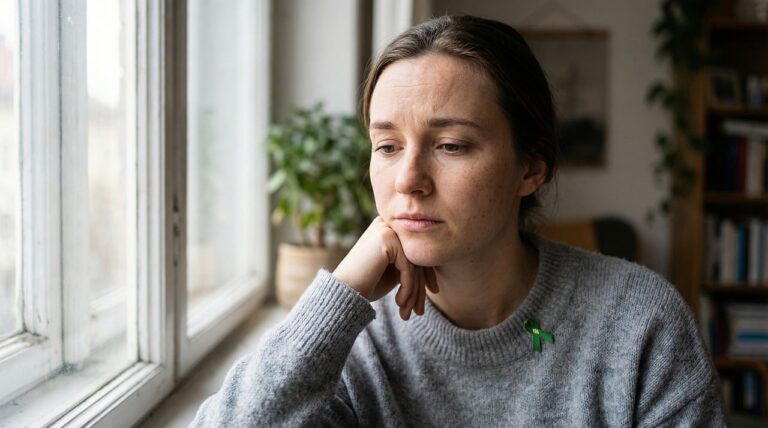
Watching your partner grapple with health anxiety can be incredibly difficult. It’s a unique form of anxiety where worries about illness and physical health dominate their thoughts and behaviours. You might feel helpless, confused, or even frustrated, as you witness their distress seemingly amplified by their own fears. This article aims to provide a deeper understanding of health anxiety, specifically within the UK context, focusing on the symptoms, triggers, and practical ways you can offer support. Remember, you’re not alone in this journey, and with understanding and empathy, you can help your partner navigate this challenging experience.
What is Health Anxiety?
Health anxiety, previously known as hypochondria, is characterised by persistent and excessive worry about having or developing a serious illness. It’s more than just being cautious about your health; it’s a preoccupation that significantly interferes with daily life. In the UK, as in many other countries, the NHS provides vast amounts of health information online, which while beneficial, can inadvertently fuel health anxiety in susceptible individuals. Your partner might spend hours researching symptoms online, becoming convinced they have a rare or life-threatening condition, even when medical professionals assure them otherwise.
It’s important to recognise that health anxiety isn’t a sign of weakness or attention-seeking behaviour. It’s a genuine anxiety disorder that requires understanding and support. People with health anxiety aren’t faking their symptoms or deliberately trying to cause distress; they genuinely believe they are ill or at risk of becoming ill.
Recognising the Symptoms of Health Anxiety
Health anxiety manifests in a variety of ways, and recognising these symptoms is the first step in providing effective support. The symptoms can be both physical and psychological:
- Excessive Worry: This is the core symptom. Your partner might constantly worry about their health, even when there’s no concrete evidence of illness. These worries can be persistent and intrusive, making it difficult for them to concentrate on other things.
- Physical Sensations: Minor physical sensations, such as a headache, a slightly elevated heart rate, or a skin blemish, can be interpreted as signs of serious illness. They may catastrophise these sensations, jumping to the worst possible conclusion.
- Checking Behaviours: These are repetitive behaviours aimed at reassuring themselves that they’re not ill. Examples include:
- Body Checking: Constantly checking for lumps, bumps, or other abnormalities.
- Symptom Research: Spending excessive time researching symptoms online (often referred to as “cyberchondria”).
- Seeking Reassurance: Repeatedly seeking reassurance from doctors, family members, or friends. While reassurance-seeking can provide temporary relief, it often reinforces the anxiety in the long run.
- Monitoring Vital Signs: Obsessively checking blood pressure, heart rate, or temperature.
- Avoidance Behaviours: Conversely, some people with health anxiety avoid anything that might trigger their anxieties. This can include:
- Avoiding Doctors: Fear of receiving a diagnosis can lead to avoiding medical appointments altogether.
- Avoiding News: Steering clear of news or media coverage about health issues.
- Avoiding Sick People: Fear of catching an illness can lead to social isolation.
- Distress and Functional Impairment: The anxiety causes significant distress and interferes with daily functioning. Your partner might have difficulty concentrating at work, socialising with friends, or enjoying hobbies.
- Rumination: Spending a lot of time thinking about their health concerns, going over and over the same thoughts and fears.
- Sleep Disturbances: Worrying about their health can interfere with sleep, leading to insomnia or restless sleep.
- Changes in Appetite: Anxiety can affect appetite, leading to eating too much or too little.
Common Triggers for Health Anxiety
Understanding the triggers that exacerbate your partner’s health anxiety can help you both proactively manage the condition. Common triggers include:
- Stressful Life Events: Major life changes, such as a job loss, relationship problems, or financial difficulties, can trigger or worsen health anxiety.
- Media Coverage of Health Issues: News stories about outbreaks, pandemics (such as the recent COVID-19 pandemic, which significantly impacted anxiety levels in the UK), or rare diseases can trigger intense anxiety.
- The Illness or Death of a Loved One: Experiencing the illness or death of someone close can make your partner more aware of their own mortality and vulnerable to health anxieties.
- Personal History of Illness: A past personal experience with a serious illness can increase the likelihood of developing health anxiety.
- Family History of Anxiety: A family history of anxiety disorders can increase susceptibility to health anxiety.
- Exposure to Health Information Online: As mentioned earlier, the readily available health information online can be a double-edged sword. While it can be informative, it can also fuel anxiety in those prone to health worries. The NHS website is a good source, but even there, understanding and context is required.
How to Support Your Partner with Health Anxiety
Supporting your partner with health anxiety requires patience, understanding, and a consistent approach. Here are some practical ways you can help:
- Educate Yourself: The more you understand about health anxiety, the better equipped you’ll be to support your partner. Read reliable sources of information, such as the NHS website or mental health charities like Mind and Anxiety UK.
- Listen Empathetically: Create a safe space for your partner to share their worries without judgment. Listen actively and validate their feelings. Avoid dismissing their concerns or telling them to “just relax.” Instead, acknowledge their distress and let them know you understand how difficult it must be.
- Encourage Professional Help: The most effective treatment for health anxiety is Cognitive Behavioural Therapy (CBT). CBT helps individuals identify and challenge the negative thoughts and behaviours that contribute to their anxiety. General Practitioners (GPs) in the UK are often the first point of contact for mental health concerns. Encourage your partner to speak with their GP, who can refer them to a therapist or recommend other appropriate treatments. Waiting lists for NHS therapy can be long, so exploring private therapy options might be beneficial if affordability allows.
- Help Them Challenge their Thoughts: CBT focuses on identifying and challenging negative thought patterns. You can help your partner by gently questioning their catastrophic thinking. For example, if they’re convinced they have a serious illness because of a minor symptom, ask them to consider alternative explanations or to recall times when they experienced similar symptoms that turned out to be harmless. Note: be careful not to offer reassurance, which will reinforce the cycle of seeking reassurance. Instead, encourage them to challenge the thought themselves.
- Limit Reassurance-Seeking: While it’s natural to want to reassure your partner, excessive reassurance-seeking can actually worsen their anxiety. It reinforces the belief that their worries are valid and that they need constant reassurance to feel safe. Instead of providing reassurance, encourage them to challenge their thoughts and seek evidence that contradicts their fears. For example, instead of saying “You’re fine, it’s probably nothing,” you could say “What evidence do you have that this is a serious problem? Have you felt this before and it resolved itself?”
- Encourage Behavioural Changes:
- Limit Online Symptom Searching: Help your partner reduce their reliance on online symptom checkers. Suggest alternative activities when they feel the urge to search for symptoms.
- Gradual Exposure: If your partner is avoiding certain situations or activities due to health anxiety, encourage them to gradually expose themselves to those situations. For example, if they’re afraid of catching germs, start with small steps like touching a door handle and then washing their hands.
- Mindfulness and Relaxation Techniques: Mindfulness meditation, deep breathing exercises, and progressive muscle relaxation can help reduce overall anxiety levels and improve coping skills. There are many free resources available online, including apps specifically designed for anxiety relief. The NHS also provides guidance on mindfulness.
- Promote a Healthy Lifestyle: Encourage healthy habits such as regular exercise, a balanced diet, and sufficient sleep. These lifestyle factors can have a significant impact on mental health. Gentle exercise, such as walking in a local park, can be particularly beneficial.
- Plan Distracting Activities: Engaging in enjoyable activities can help take your partner’s mind off their health worries. Plan activities you both enjoy, such as going for walks, watching movies, spending time with friends, or pursuing hobbies.
- Patience and Understanding: It’s crucial to be patient and understanding. Health anxiety can be a long-term condition, and there will be ups and downs. Avoid getting frustrated or impatient with your partner’s anxieties.
- Set Boundaries: While it’s important to be supportive, it’s also crucial to set healthy boundaries. You can’t be your partner’s therapist, and it’s not your responsibility to constantly reassure them or research their symptoms. Communicate your boundaries clearly and kindly. For example, you might say, “I love you and I want to support you, but I’m not able to spend hours each day researching your health concerns online. Let’s focus on getting you professional help instead.”
- Support Groups: Encourage your partner to connect with others who have health anxiety. Support groups provide a safe space to share experiences, learn coping strategies, and feel less alone. Anxiety UK and other mental health charities often provide information about local support groups.
The Importance of Self-Care
Supporting someone with health anxiety can be emotionally draining. It’s essential to prioritise your own well-being. Practise self-care activities such as exercise, relaxation techniques, and spending time with friends and family. If you’re feeling overwhelmed, consider seeking support from a therapist or counsellor for yourself. Remember, you can’t pour from an empty cup.
When to Seek Professional Help
While you can provide valuable support, it’s crucial to recognise the limitations of what you can do. Encourage your partner to seek professional help if:
- Their anxiety is significantly interfering with their daily life.
- They’re experiencing severe distress or suicidal thoughts.
- Their anxiety is worsening despite your best efforts.
- They’re excessively using alcohol or drugs to cope with their anxiety.
In the UK, the NHS provides mental health services, but waiting times can be long. Consider exploring private therapy options if your partner needs immediate support. Websites like the British Association for Counselling and Psychotherapy (BACP) and the Counselling Directory can help you find qualified therapists in your area.
Conclusion
Supporting a partner with health anxiety requires empathy, patience, and a proactive approach. By understanding the symptoms, triggers, and effective coping strategies, you can play a vital role in helping your partner manage their anxiety and improve their quality of life. Remember to prioritise your own well-being and seek professional help when needed. You are not alone, and together, you can navigate this challenging journey.

Anthony Caroleo is the founder of My Anxiety World. Having personally experienced anxiety and spent years supporting a partner living with it, he created this site to share practical, honest resources for people navigating anxiety in everyday life. My Anxiety World is built on real experience, not clinical distance.